Proof-of-concept model
Explore whether an idea, mechanism, shape or assembly approach is practical enough for further development.
Learn quicklyDevelop proof-of-concept models, appearance prototypes, functional components, fit-check parts and short-run builds using coordinated digital fabrication, material selection, finishing and assembly.

Custom product prototyping
A useful prototype should have a defined purpose. It may need to communicate size and appearance, confirm that parts fit together, demonstrate a mechanism, support customer feedback or reveal what should change before further production.
865FabLab can coordinate several fabrication methods within one project so the prototype is not forced into a single process or material.
Start with a concept, CAD model, drawing, reference image, measurement set or physical sample.
Select materials and processes around fit, appearance, durability, weight, cost and intended use.
Revise an early build or transition an approved component toward repeat short-run production.
Prototype types
A prototype does not always need final materials, production finishes or complete functionality.
Explore whether an idea, mechanism, shape or assembly approach is practical enough for further development.
Learn quicklyEvaluate form, scale, color, surface, branding and presentation without requiring complete functionality.
Review appearanceConfirm dimensions, clearances, mounting points, mating parts, ergonomics and installation conditions.
Confirm fitTest selected movement, load, interaction, assembly or operating behavior using project-appropriate materials.
Test functionCreate a physical model for internal review, sales discussion, customer presentation or display.
Communicate clearlyReview an advanced version before repeat fabrication, packaging, installation or broader production planning.
Prepare next stagePrototyping capabilities
Complex geometry, housings, fit-check parts, fixtures, models and components from compatible 3D files.
Machine plastics, wood, foam, composites and selected nonferrous materials into precise components.
Detailed profiles, panels, inserts, templates, labels and engraved features in compatible materials.
Lightweight models, mockups, forms, inserts, packaging studies and large prototype volumes.
Suitable plastic shells, housings, covers, trays and formed surfaces using prototype tooling.
Cutting, bending, welding, drilling, tapping, machining and finishing for structural or functional parts.
Add labels, printed surfaces, branding and presentation details where appropriate.
Review sanding, filling, painting, coating, edge preparation and appearance requirements.
Combine fabricated, printed, purchased and customer-supplied components.
Prototype process guide
A project may use one process or combine several. Final suitability depends on geometry, material, size, quantity, finish and required performance.
| Process | Often useful for | Typical strengths | Considerations |
|---|---|---|---|
| 3D printing | Housings, complex geometry, fixtures, fit checks and detailed models | Complex shapes, digital revisions and low-volume parts | Material, surface, scale and functional requirements |
| CNC routing | Panels, plates, fixtures, foam models and sheet parts | Sheet-material accuracy and larger component formats | Tool access, inside corners and material thickness |
| Laser cutting | Flat profiles, inserts, panels, labels and templates | Fine two-dimensional geometry and repeatable cut paths | Material compatibility, thickness and edge condition |
| Foam fabrication | Large mockups, forms, display models and packaging studies | Lightweight volume and efficient large-scale shaping | Surface durability, coating and level of detail |
| Vacuum forming | Shells, covers, trays, housings and formed surfaces | Thin formed parts and repeatable surface geometry | Tooling, draft, undercuts and trimming requirements |
| Metal fabrication | Brackets, frames, structures, enclosures and functional assemblies | Strength, durability and production-representative construction | Joining, forming, finish, weight and fabrication sequence |
Plan the right prototype
Project and quote requirements
| Purpose | What the prototype must demonstrate, test, communicate or help decide |
|---|---|
| Available information | CAD files, drawings, dimensions, sketches, reference images, samples or existing components |
| Size and geometry | Overall dimensions, critical features, mating conditions, moving areas and installation constraints |
| Function | Movement, loads, clearances, flexibility, fastening, handling and environmental conditions |
| Appearance | Color, texture, finish, transparency, graphics, branding and required visual realism |
| Materials | Preferred material or required performance such as rigidity, impact resistance, weight or outdoor use |
| Quantity | One concept model, multiple test versions, presentation samples or repeat short run |
| Schedule | Review date, event, installation, testing window and delivery destination |
Recent prototype project categories
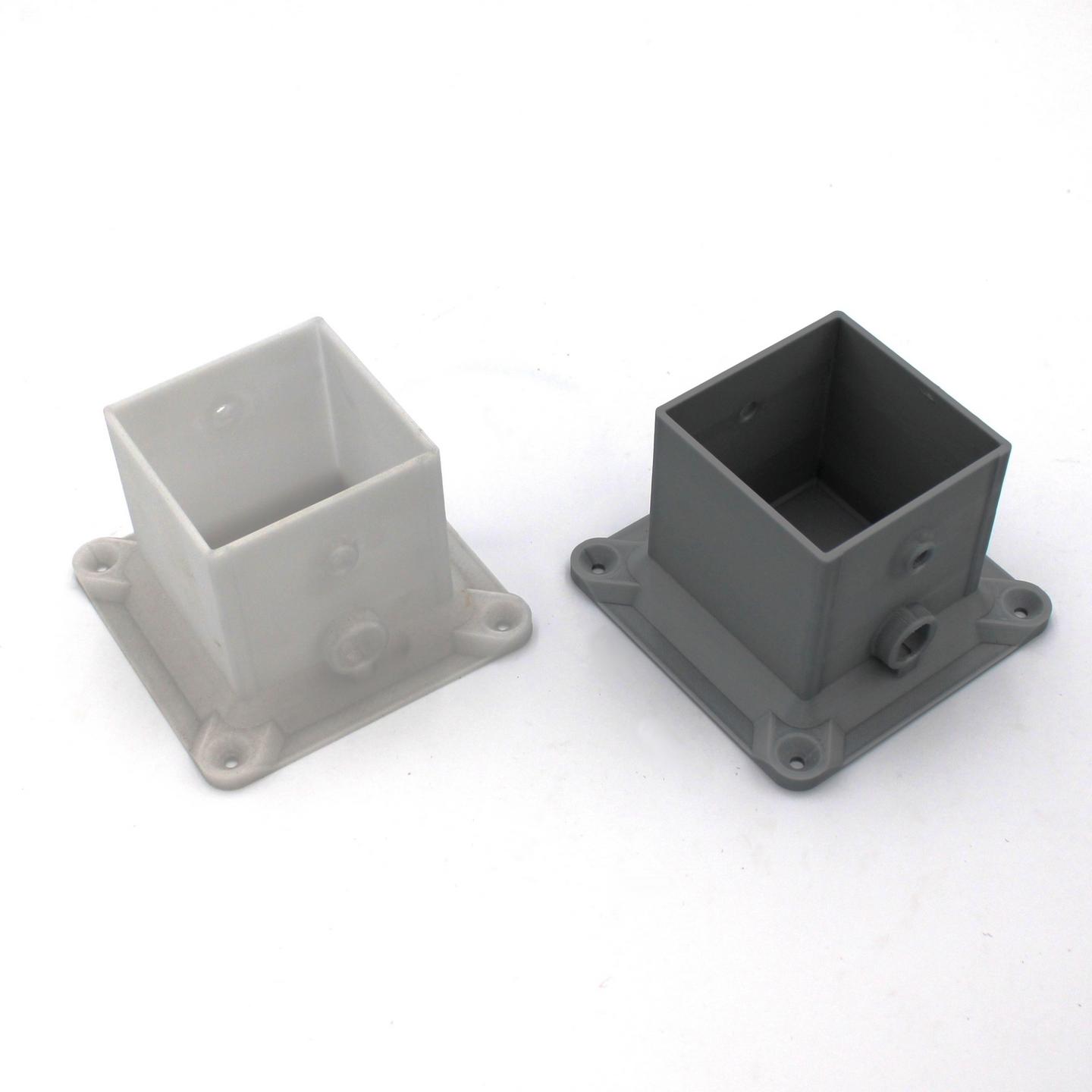 Functional enclosure or housing prototype
Demonstrate fit, access, component placement, fastening and overall product form.
 Large-format appearance or presentation model
Review scale, shape, graphics, branding and surface treatment before final development.
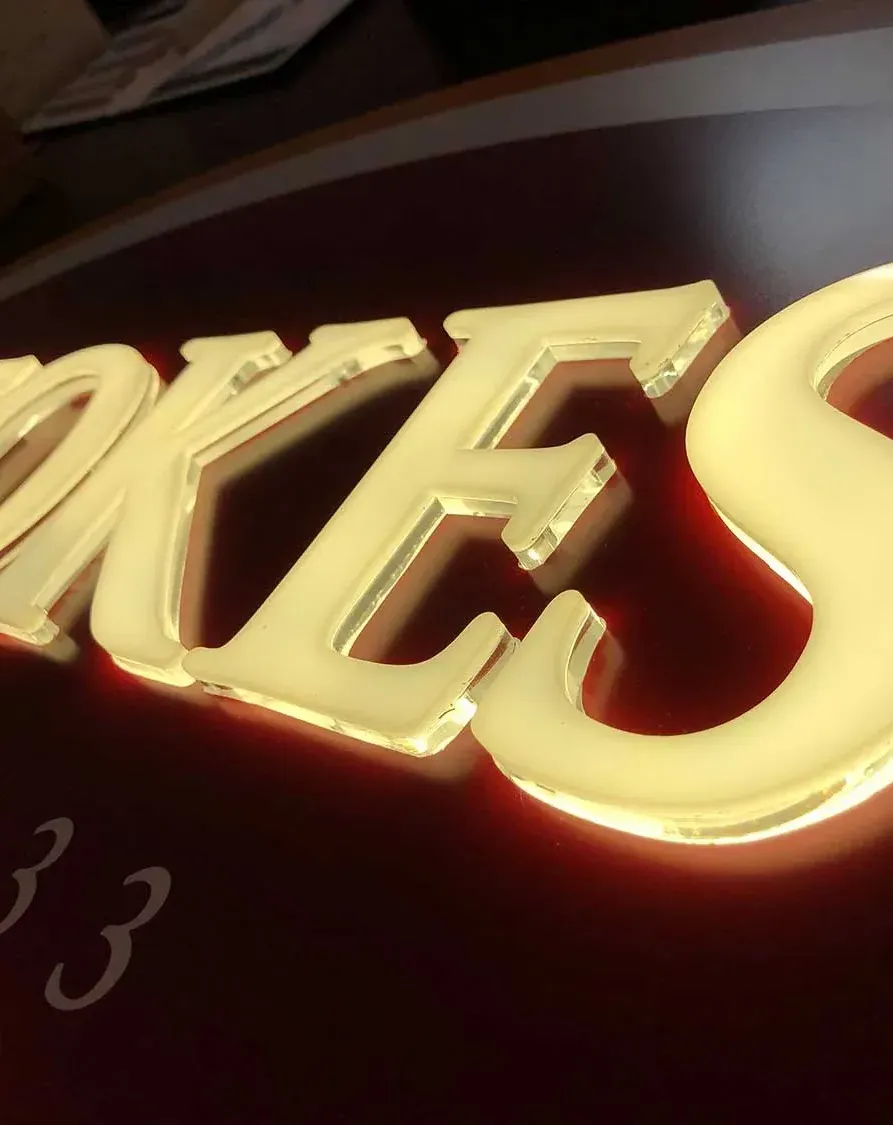 Multi-process custom fabricated assembly
Combine routed, printed, metal, formed and purchased components within one coordinated build.
Industries and development teams
Guards, covers, interfaces, fixtures, machine components and production-support tooling.
Housings, display models, ergonomic studies, packaging tests and presentation prototypes.
Product displays, branded fixtures, presentation units and customer-interaction concepts.
Scaled features, installation mockups, decorative components and spatial-development models.
Protective inserts, presentation packaging, trays, shipping studies and product-fit validation.
Physical models for stakeholder review, trade shows, customer meetings and sales demonstrations.
Customer proof
865FabLab was amazing! They cut a 10 foot Eiffel Tower for our Girl Scout Troop that I thought would be impossible. It turned out great! We had the best booth at World Thinking Day with our Eiffel Tower for France. Thank you!!!
Product-prototyping process
Explain what the prototype must test, demonstrate or help decide.
Send CAD, drawings, sketches, dimensions, samples and references.
Review process, material, construction, finish and project scope.
Cut, print, route, form, machine or build the approved components.
Prepare surfaces, add graphics, install hardware and combine parts.
Review the result, document changes and plan the next version.
Ready to discuss your product?
CAD is useful but not always required for an initial review. Include sketches, drawings, dimensions, reference images, samples, quantity and your required review date.
Product prototyping FAQs
The best process depends on what the prototype must prove, available files, size, material, complexity, finish and quantity.
Discuss Your Product IdeaContact 865FabLab
Send your available files, project goal, dimensions, quantity, material requirements and review date to begin a prototype project discussion.